





 New Code Sent!
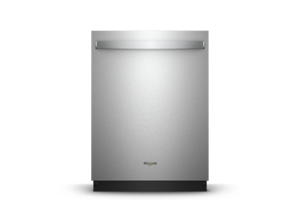
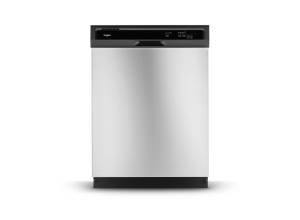
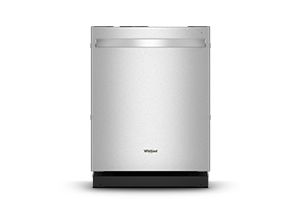
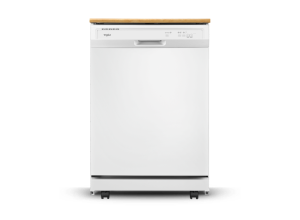
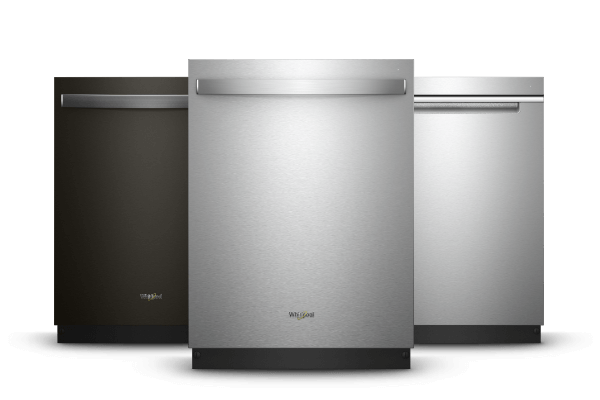

Whirlpool® Dishwashers
Most inclusive lower rack design on the market
The Spin&Load Dishwasher Rack features an easy-to-use 360° spinning design that's compatible with all 24" Whirlpool Corporation dishwashers manufactured after 2018.
Compare dishwasher types

3rd level washing rack dishwashers
Extra wash action in the 3rd level rack provides targeted cleaning for bowls, mugs and utensils.
Compare
Flush Dishwashers
Flush dishwashers create a streamlined, seamless look across a kitchen. Without protruding edges, you can achieve an integrated and modern space.
Compare
Adjustable 2nd rack dishwashers
Raise or lower the adjustable second rack to fit large items like baking pans and tumblers.
Compare
MaxTub dishwashers
A MaxTub dishwasher boasts an increased capacity for larger loads at the same height as a standard dishwasher.
Compare
Small space dishwashers
Designed for apartments and space-conscious spaces, small space dishwashers are slimmer than standard dishwashers.
CompareReady right from the rack
Total Coverage Wash combined with Auto Open Air Dry delivers clean, ready to use dishes.
Shop Now

Most dishwashers come in a standard size to fit into stock cabinetry cutouts. The cutout width is 24” wide, 24” deep and up to 36” tall. The feet on most dishwashers will be adjustable to account for different heights from 34” to 36” tall.
You’ll also find some small space dishwashers at 18” wide and portable dishwashers on wheels for consumers who don’t have the space or capacity to built one in.
Dishwashers are made to fit pretty snuggly into their cutout. Consult the use and care guide for the proper placement of utilities like water, drainage and electricity. The other thing to consider is space for the door to open fully - particularly if you’re placing a dishwasher facing a kitchen island.
Most dishwashers on the market today are hardwired. If you have an outlet to plug your dishwasher into, a plug kit is available to convert your dishwasher hardwire to a plug-in unit.
Dishwashers today are quieter than they’ve ever been. They’re also some of the quietest appliances in your home. Dishwashers can go as low as 38dBA, but the average dishwasher today will fall somewhere around 40-50dBA. It’s not uncommon for older dishwashers to be as loud as 65dBA.
The amount of water your dishwasher uses can largely depend on what is inside your dishwasher. Dishwashers today are equipped with a soil sensor that can make adjustments to your dishwasher’s cycle to either add or remove time and water to ensure your dishes get clean. Energy Star qualified models are required to use less than 3.5 gallons of water for their normal cycle, making them some of the most efficient appliances on the market today. Selecting a quick wash or a heavy duty cycle will use more water.
Loading dishes correctly in the baskets is the first step. Load dishes with enough space for water to move freely between them. Try to avoid any “pinch points” where dishes touch and soils can collect. Don’t overload your dishwasher and use a high quality dish detergent. Also ensure that if your dishwasher has a filter, it’s clean prior to use. Finally, selecting the right cycle for the dishes and soils in the dishwasher is important to ensure your dishes come out clean.
For things like mugs and bowls that have an indentation on the bottom, loading them on an angle so water can escape is very important. Pooled water will never come out dry in a dishwasher.
Selecting the proper dry option on your dishwasher is important as well. Some dishwashers are equipped with extended dry options or fan dry options to help get dishes dry. A stainless steel tub dishwasher will provide a better dry than a plastic tub dishwasher as stainless steel conducts heat better and provides better condensation drying.
Finally, using a rinse agent like Jet Dry will help water sheet off of dishes and avoid any hard water spots as well. Ensure that you’re adjusting the amount of rinse agent dispensed in relation to the hardness of your water and desired results.
No, provided your dishwasher is functioning as intended, there is no need to pre-rinse dishes. Pre-rinsing dishes wastes water and won’t help in most cases. Our recommendation is to scrape your dishes before loading. Anything larger than a grain of rice should be scraped and the dishwasher should handle the rest. Some tough stuck-on or baked-on things may need pre-treating, just like when you’re pretreating a stain in laundry!
Cutlery should be placed “eating side up” to ensure proper cleaning. The exception is knives, which should be placed “cutting side down” to avoid injuries.
Filters in dishwashers should be cleaned at minimum once every 6 months, though we recommend more often. This will largely depend on how often you’re using your dishwasher, how many dishes are in each load and how soiled your dishes are. As a general rule of thumb, we recommend pulling the filter out once a month to clean it at the same time you run your Affresh dishwasher cleaning cycle to remove detergent and scale buildup.
This is called etching, and unfortunately, it cannot be fixed. But it can be avoided! The cause of this is usually that your dishes are too clean when they go into the dishwasher. Dishwasher detergent is made up of enzymes, soaps and bleaches to get your dishes clean. When these are added to the wash water, they form chemical reactions to clean your dishes. If there are no food soils in your dishwasher for them to work on, they’ll eventually start to eat away at the finish on glassware and other dishes.
Another tip to avoid etching is to ensure you’re using the right amount of detergent and that you’re not using a dishwasher cycle that is too long or hot, which can contribute to etching in glassware.
Many dishwashers are equipped with a sanitize option which will boost the final rinse temperature to above 155F to comply with NSF/ANSI home dishwasher sanitization standards to eliminate up to 99.9% of bacteria.
Some items shouldn’t go into a dishwasher as extended exposure to very hot water and detergents can harm them. Examples include: Wood, iron, silver, aluminum and fine china. Some dishwashers are equipped with a china setting that lowers temperature and wash pressure with less detergent.

