







 New Code Sent!

Guide to 12 dishwasher cycles
Dishwashing cycles are designed to help you meet the different cleaning needs associated with daily meal preparation and cooking. They use different temperatures, times and energy to help deliver the right type of clean for your dirty dishes, utensils and more. Deciding on which dishwasher cycle to use should be based on what you’re washing and the level of dirtiness. For example, a normal cycle is ideal for lighter, everyday messes, while a sensor cycle can help get the right clean for any load.
Don’t forget that cycle availability and energy and water usage vary across dishwashers, so always consult your owner’s manual for specific recommendations.
Keep reading to find the dishwasher cycle that fits your next load and the one after that.

Dishwasher wash cycles and settings
Many modern dishwashers have a range of cycles and settings designed to handle everything from common dirty dishes to stubbornly soiled cookware. Understanding how these cycles work can help you select the right one for each load.
Let’s review some common dishwasher cycles and specialty settings available on select models.

Boost Cycle
Skip scrubbing and pre-rinsing
The Boost Cycle uses more water, time and heat to target tough messes that need a little extra effort.

1. Normal cycle
A normal cycle is for washing and drying most everyday dishes that aren’t heavily soiled. It is capable of cleaning average amounts of leftover mess without using extra water, heat or extended time.
Estimated wash and heated dry time: 2:43 to 3:09

2. Quick wash cycle
This cycle delivers fast results by using more water, heat and energy. A quick wash cycle, also known as a 1-Hour Wash on select Whirlpool® Dishwashers, completes in roughly an hour depending on the dishwasher model. This is a good option if you need to clean a load of lightly soiled plates, bowls or other essentials quickly.
Estimated wash and heated dry time: 1:33 to 1:48

3. Sensor cycle
Typically, sensor cycles automatically select the right wash and dry settings for a load, depending on temperature, soil level and load size, while using only the required amount of water and energy. Consider this cycle for loads with mixed items, varying levels of soil or most combinations of dishes.
Estimated wash and heated dry time: 2:23 to 3:26
Cycle tip: Newer dishwashers, on average, tend to run longer cycles than many older models. That said, they use less water and energy to deliver the same level of performance. Explore how long dishwasher cycles run and why.

4. Heavy cycle
Your dishwasher’s heavy cycle, also referred to as the heavy-duty or pots and pans cycle, uses additional water and higher temperatures to combat hard-to-clean items. This is a common choice for heavily soiled pots, pans and casserole dishes and grimy tableware.
Estimated wash and heated dry time: 2:44 to 4:16

5. Prewash cycle
Prewash cycles, including the Soak & Clean Cycle on select Whirlpool® Dishwashers, let you soak dishes with baked-on or dried food. This can be a real time-saver, since you won’t have to worry about presoaking dishes before loading them into the dishwasher.
Certain models also feature a rinse-only cycle, designed to rinse dishes right after use to prevent food from drying on before you run a full load.
Estimated wash and heated dry time: 6:23 to 8:07
Cleaning tip: Properly loading and positioning items in your dishwasher can help you get the best clean and optimize cycle performance. Discover the best way to load a dishwasher to help achieve clean dishware and cookware with every load.

6. Delicate cycle
The lower temperature of a delicate cycle, also called a glass or light cycle, is for fine dishware, crystal or fragile items. The reduced temperature lowers the likelihood that damage will occur from high temps or water knocking over items due to strong bursts of water.

7. High temp cycle
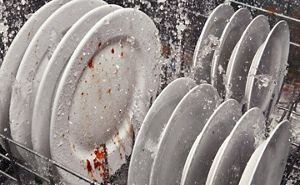
Use a high-temperature wash option to help cut through stubborn baked-on food or greasy residue on dishes. This is accomplished by raising the main wash temperature to at least 130°F. When paired with a rinse aid, this higher temperature helps improve wash and dry performance.

8. Sanitize cycle
Certain models have a sanitize cycle, or Sani Rinse on select Whirlpool® Dishwashers, which raises the main wash and rinse temperature to sanitize items, like dishes and glassware. Explore the dishwasher sanitize setting.

9. Delay start cycle
This setting allows you to postpone when a wash cycle starts, making it ideal for running the dishwasher during off-peak hours or while you’re at work. For example, select Whirlpool® Dishwashers allow you to delay the start of a cycle by up to 24 hours, so your dishes are clean and dry when needed.


10. Heated and air dry cycle
Some dishwashers employ a combination of heated drying and fresh air circulation to help remove moisture when a cycle has ended. There’s the Maximum Heat Dry Option on select Whirlpool® Dishwashers, which uses heat pulses to increase the final rinse temperature, followed by the Auto Open Air Dry to release remaining condensation on the dishes, achieving an optimal level of dry.

11. Air dry door release
Certain dishwashers automatically open the door once the drying cycle is complete to help release steam and draw in fresh air.
On select Whirlpool® Dishwashers, Auto Open Air Dry automatically opens the dishwasher door after the drying cycle to let in fresh air and so that moisture can escape. This lets you unload dry dishes, even plastics, and set them right on the table or in the cabinet for storage.

12. Quick normal cycle
Some dishwashers provide a faster version of the traditional normal cycle to clean a full load in less time. The 90 Minute Normal Cycle from Whirlpool brand can cut wash time by up to an hour1, and cleans a full load in only 90 minutes.
Selection tip: Sometimes, dishwasher options can be added to certain cycles to further customize cleaning. Remember, adding options may increase the cycle time or energy usage. Explore select Whirlpool® Dishwasher models that come with options like 1-24 Hour Delay Start, Heated Dry Option, High Temperature Wash Option and Sani Rinse Option.

1-Hour Wash Cycle
Clean dishes in half the time
Whirlpool® Dishwashers with the 1-Hour Wash Cycle get plates, pans and glasses taken care of in just an hour
Shop Whirlpool® Dishwashers
Whirlpool® Dishwashers deliver powerful cleaning and drying with features that help simplify and streamline cleanup after even the biggest family dinner. Select Whirlpool® models have Total Coverage Wash Action, which targets corner-to-corner cleaning across all racks, including Whirlpool brand’s largest capacity 3rd Rack featuring 13 spray jets, helping ensure that dishes come out clean the first time.2

Dishwasher drying options
Choosing the correct drying option can help ensure your dishes come out dry enough for the cabinets. Whether you're focused on speed, energy efficiency or pristine results, dishwashers often have drying settings to help meet a variety of needs.
Explore some of the more common dishwasher drying options found across select models.

Heated dry
Heated drying options typically employ a heating element to generate hot air that circulates dishes to quickly evaporate water while also helping to speed up the drying process. Choosing this option does add roughly 30 minutes to the cycle, depending on your model.

Extended dry
The Extended Dry Option on select Whirlpool® models extends your dry cycle by roughly 30 minutes3 to help provide better drying performance for any cycle. With the use of a rinse aid, this option may deliver increased drying performance and help reduce those stubborn water spots on your glassware or dishes.


How to select the right cycles and settings
Determining the right dishwasher cycle or option can help deliver the clean load you desire. Whether you're washing a full load of dishes or tackling baked-on messes, the right setting can make a difference.
These tips can help make the most of your dishwasher's features.
Consider the soil level. For heavy, baked-on messes, a heavy or extended soak cycle might be the best choice. These cycles typically use higher temperatures and longer wash times to clean hard-to-remove residue on items like pots, pans, tableware and more.
Use sensor cycles for mixed loads. Sensor cycles, like the Intelligent Sensor Cycle on select Whirlpool® Dishwashers, automatically use the correct wash and dry settings for each load with two sensors that gauge temperature and soil level during the prewash and wash cycles.
Match the dish type to the cycle. Try using delicate or quick wash cycles to clean lightly soiled dishes or fragile glassware.
Give thought to timing. If you’re short on time, use a Quick Wash Cycle, available on select Whirlpool® Dishwashers, which thoroughly takes care of dirty plates and glasses faster.
Maximize energy efficiency. Shorter cycles typically use less energy than longer, more intensive settings.
Use delay start wisely. Select dishwashers let you delay the start of a cycle for up to 24 hours. This is useful if you want to run the cycle during off-peak hours or have clean dishes ready when you return home from work.
Improve drying performance. For optimal drying, combine a rinse aid with a specific drying setting, such as the Extended Dry Option.
Avoid damage and water spots. Consult your dishwasher's manual to help ensure you're loading dishes correctly and effectively. Using the right detergent with the right water conditions can help protect glassware.

Built-In Dishwashers
Control panel stays out of sight for a streamlined look and feel
Shop Built-In DishwashersShop all Whirlpool® dishwashers
Whirlpool® Dishwashers come with features designed to help ensure you don’t have piles of dirty dishes stacked on the counter after Sunday dinner. With options on select models like Total Coverage Wash Action, Intelligent Sensor Cycle and the Self-Cleaning Filtration System, you can clean up after a meal relatively faster and easier and get back to enjoying your day. Explore Whirlpool® Built-In Dishwashers with front controls, sleek hidden-control designs and large capacity models that fit your kitchen, household and lifestyle.
1. Compared to Normal cycle on WDPS7024RZ
2. Based on usable volume
3. Added time may vary per unit.
Explore more with Whirlpool brand
-
 How to Use The Sanitize Cycle on Your Dishwasher Get tips for using the Sanitize cycle on your dishwasher effectively. Learn how often to use the Sanitize cycle, if you need to use detergent and more.
 -
 How To Load A Dishwasher Loading a dishwasher is about more than filling the racks. A properly loaded dishwasher also ensures more efficiency and better cleaning so you can save time and energy.
 -
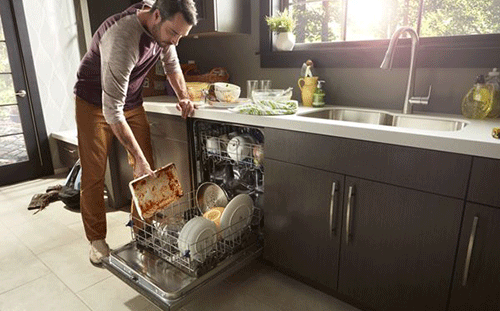 How Long Do Dishwashers Run? Questions on dishwasher cycle times? Learn more about average dishwasher run times and how they’re affected by soil levels and more.

